
Sharp Pain When You Bite Down? It Could Be a Crack
Does a tooth hurt for a moment when you chew, then feel fine? Does it sting when you sip something cold? Those are classic signs of a cracked tooth. Many cracks are too small to see in the mirror or on a standard X-ray, so they are easy to ignore. Ignoring one is risky, because cracks tend to grow. At Magnolia Family Dental in Summerville, SC , we find the crack, explain what it means for your tooth, and repair it before it spreads into the nerve or splits the tooth. If you are searching for a dentist near me who can fix a cracked tooth, we are here to help.
request an appointmentWhat Is a Cracked Tooth?
A cracked tooth is a break in the enamel and dentin that can run from the chewing surface down toward the root. Unlike a chip, where a piece breaks off, a crack often holds the tooth together while it lets bacteria and pressure reach the inner layers. When you bite, the pieces flex apart a tiny amount and irritate the nerve. That is why the pain often comes and goes. It is one of the most common dental conditions we treat, and it is one of the most often missed.
What Are the Signs of a Cracked Tooth?
Symptoms can be vague, and they may come and go for weeks. Watch for these signs:
- A sharp pain when you bite down, especially when you release the bite
- Pain that comes and goes instead of a constant ache
- Sudden tooth sensitivity to hot, cold or sweet foods
- Swelling of the gum around one tooth
- Trouble pinpointing which tooth hurts
- A rough edge or visible line on the tooth
If pain becomes constant or throbbing, the crack may have reached the nerve. That kind of toothache needs prompt attention.
What Causes Teeth to Crack?
Most cracks build up from everyday stress rather than one big injury. Common causes include:
- Clenching or teeth grinding, often at night
- Chewing ice, hard candy, popcorn kernels or pens
- Large old fillings that weaken the walls of the tooth
- Teeth weakened by tooth decay or past root canal treatment
- A blow to the mouth during sports or a fall
- Sudden temperature changes, like hot coffee followed by ice water
- Jaw strain linked to TMJ and TMD
What Types of Tooth Cracks Are There?
Craze Lines
These are tiny surface lines in the enamel. They are common in adults, usually painless and often need no treatment beyond monitoring. If they bother you cosmetically, cosmetic dentistry or teeth whitening can help.
Fractured Cusp
A piece of the chewing surface breaks, often around a large filling. It rarely affects the nerve and is usually repaired with a crown.
Cracked Tooth
A crack runs from the chewing surface toward the root. Catching it early is the best way to save the tooth before it reaches the gum line.
Split Tooth
This is a cracked tooth that has separated into distinct pieces. Part of the tooth can sometimes be saved, depending on where the split runs.
Vertical Root Fracture
This crack starts in the root and moves upward. It may cause few symptoms until the surrounding bone and gum become infected. The American Association of Endodontists has a helpful overview of the different types of cracked teeth.
How Do You Find a Crack You Can’t See?
We start by listening to how and when the tooth hurts. Then we examine it closely, test how it responds to biting pressure and temperature, and check the gums around it. Our advanced dental technology helps us look for signs of a crack and any damage around the root. Regular exams through our family dentistry care also help us spot early cracks and old fillings at risk of failing.
How Is a Cracked Tooth Treated?
The right treatment depends on the size, location and depth of the crack:
- Bonding: Tooth-colored resin can fill and seal a small crack or chip.
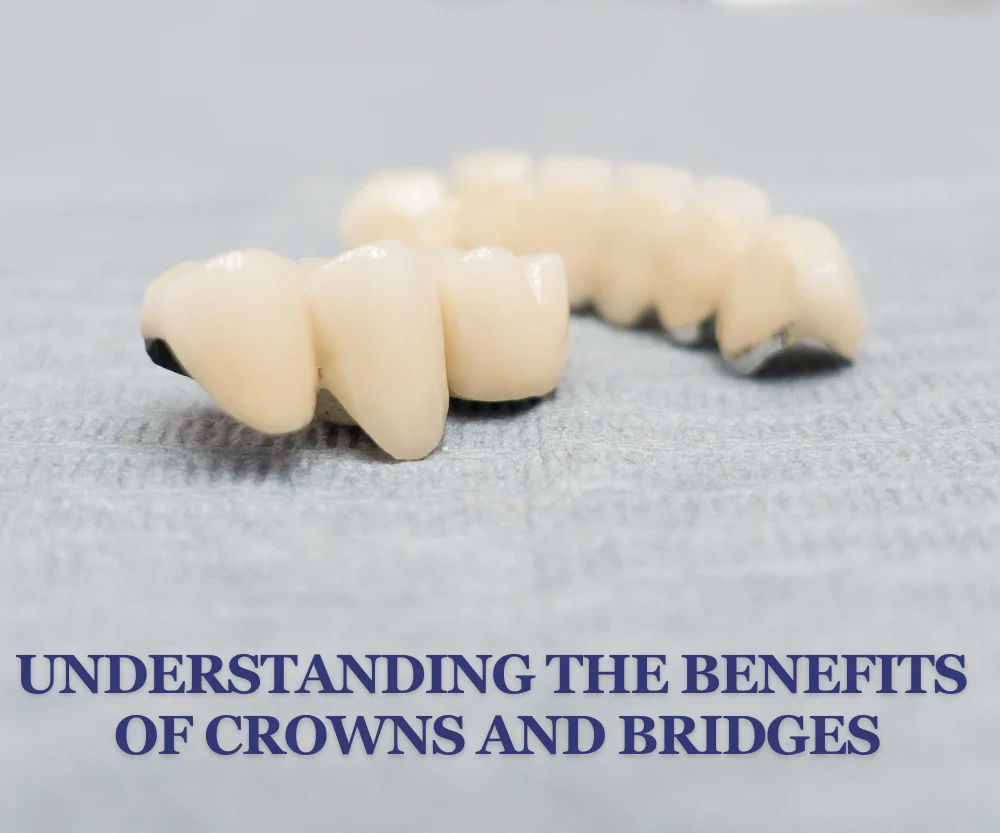
- Dental crown: A crown covers and holds the tooth together so the crack can’t flex and spread. This is the most common repair.
- Root canal therapy: If the crack has reached the nerve, the inflamed pulp may need treatment before a crown is placed.
- Extraction and replacement: If the crack extends below the gum line or splits the root, the tooth may not be saveable. Dental implants can then restore a strong, natural-looking tooth and prevent the problems that come with missing teeth.
If you grind or clench, we may also recommend a custom night guard to protect your repaired tooth and the rest of your smile.
What Should You Do Right After a Tooth Cracks?
Rinse with warm water, chew on the other side and avoid very hot, cold or hard foods. A cold compress can ease swelling. If you have a lot of pain, bleeding or a broken piece, reach out about emergency dental care. Our blog post on what to do if you crack or chip a tooth walks you through the first steps.
Is Cracked Tooth Treatment Comfortable?
Yes. We numb the area fully, and most repairs feel like getting a filling. If you feel nervous about dental work, ask us about sedation dentistry. We also offer flexible options through our financial information page and our dental membership program for patients without insurance.
A Cracked Tooth Dentist Near You
Our Summerville office welcomes patients from across the area, including Goose Creek, Moncks Corner and Ladson. See our office location and hours, or visit our new patients page to learn what to expect at your first visit.
Cracked Tooth Questions We Hear Often
Can a cracked tooth heal on its own?
No. Unlike a broken bone, a cracked tooth cannot heal itself. Without treatment, most cracks slowly grow. Early repair with bonding or a crown gives you the best chance to keep the tooth.
How do I know if my tooth is cracked?
The most common sign is a sharp pain when you bite down or release your bite, along with sensitivity to hot or cold. The pain often comes and goes. A dental exam is the only reliable way to confirm a crack.
Is a cracked tooth a dental emergency?
It can be. Call right away if you have severe pain, swelling, a broken piece of tooth or signs of infection. Even a mild crack should be checked soon, because waiting can turn a simple repair into a bigger one.
Will I need a crown for a cracked tooth?
Many cracked teeth need a crown. A crown wraps around the tooth and holds it together so the crack can’t flex and spread. Very small cracks can sometimes be treated with bonding instead.
Does a cracked tooth always need a root canal?
No. A root canal is only needed if the crack has reached the nerve and caused inflammation or infection. Treating the crack early often prevents that.
Can a cracked tooth be saved?
Most cracked teeth can be saved, especially when the crack is found early. If the crack runs below the gum line or splits the root, the tooth may need to be removed and replaced with an implant.
How can I prevent my teeth from cracking?
Avoid chewing ice, hard candy and other hard objects, wear a mouthguard for sports, and ask about a night guard if you grind or clench. Regular checkups help us catch weak teeth and old fillings before they crack.
Don’t Wait for a Small Crack to Become a Big Problem
A cracked tooth is easiest to save when it is treated early. If a tooth hurts when you bite or has suddenly become sensitive, call Magnolia Family Dental at (843) 900-4428 or request a visit online. We’ll find the cause and help you protect your smile.