

Is a Small Cavity Worth Worrying About?
Yes. A cavity that starts as a tiny soft spot can work its way through enamel into the nerve of the tooth, and the deeper it goes, the bigger the repair. At Magnolia Family Dental, we help patients of every age in Summerville, SC find tooth decay early, treat it comfortably, and keep it from coming back. If you’re searching for a dentist near me who can fix a cavity before it turns into a toothache, our team is ready to help.
request an appointment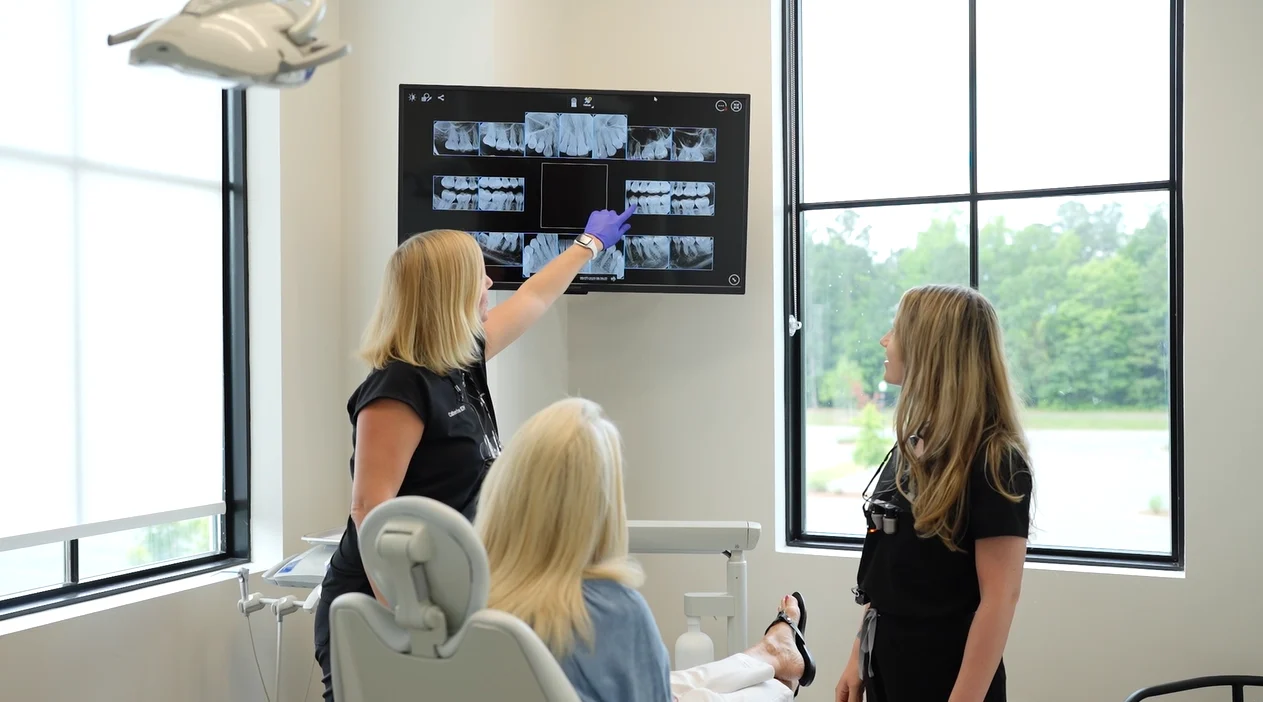
What Is Tooth Decay?
Tooth decay is the gradual breakdown of tooth enamel caused by acids from plaque bacteria. When you eat sugars and starches, bacteria in plaque feed on them and release acid. Over time, that acid pulls minerals out of the enamel, creating weak spots that eventually become holes called cavities. Left untreated, decay spreads into the softer dentin and then to the pulp, where the tooth’s nerve lives.
According to the National Institute of Dental and Craniofacial Research, tooth decay is one of the most common chronic conditions in both children and adults, and it is also largely preventable.
What Are the Signs of Tooth Decay?
Early decay is often silent, which is why regular checkups matter so much. As a cavity grows, you may notice:
- Sensitivity to cold, hot or sweet foods and drinks
- A toothache or sharp pain when biting down
- White, brown or black spots on the surface of a tooth
- A visible hole or pit you can feel with your tongue
- Food that keeps getting stuck in the same spot
- Bad breath or a bad taste that won’t go away
Sudden sensitivity can be an early warning sign, and you can learn more on our tooth sensitivity page. If the pain is constant or throbbing, visit our toothache page or call us about emergency dental care.
What Causes Cavities?
Several everyday factors raise your risk of tooth decay:
- Frequent snacking and sugary drinks: Sipping soda, juice or sweet coffee throughout the day keeps teeth bathed in acid.
- Plaque buildup: Missed spots when brushing and flossing let bacteria settle in.
- Dry mouth: Saliva rinses away food and neutralizes acid. Certain medications and conditions reduce saliva flow.
- Deep grooves and older fillings: Back teeth and worn restorations trap food and bacteria.
- Receding gums: Exposed root surfaces decay more easily, which is one reason gum disease and cavities often go hand in hand.
- Not enough fluoride: The Centers for Disease Control and Prevention notes that fluoride helps rebuild weakened enamel and prevent cavities.
How Do We Diagnose Tooth Decay?
During your exam, our dentists check each tooth visually and use digital X-rays to spot decay hiding between teeth or under old fillings. These images reveal cavities long before you’d feel them. You can read more about the tools we use on our advanced dental technology page.
How Is Tooth Decay Treated?
Treatment depends on how far the decay has progressed:
Can Early Decay Be Reversed?
When decay is still limited to the outer enamel, it can sometimes be stopped or reversed with professional fluoride treatments, better home care and dietary changes. Catching it at this stage is the best outcome.
What Happens If I Need a Filling?
Once a cavity has formed, we gently remove the decayed area and fill it with a tooth-colored material that blends in with your smile. Most fillings are completed in a single visit.
When Is a Crown Needed?
If decay has destroyed a large portion of the tooth, a crown covers and protects what’s left so you can chew comfortably again. Our cosmetic dentistry options make restorations look natural.
What If Decay Reaches the Nerve?
Deep decay that reaches the pulp may need root canal therapy to remove the infection and save the tooth. When a tooth can’t be saved, we’ll talk through replacement options such as dental implants so you’re never left with a gap. Learn why replacing teeth matters on our missing teeth page.
How Can You Prevent Tooth Decay?
Most cavities can be prevented with a few steady habits:
- Brush twice a day with fluoride toothpaste and floss once a day.
- Limit sugary snacks and drinks, especially between meals.
- Drink plenty of water to keep your mouth moist.
- Ask about sealants for children’s back teeth.
- Keep up with routine cleanings and exams through our family dentistry care.
Parents can find kid-friendly tips in our article on how to prevent cavities in your kids’ teeth, and our guide to how often you should get a dental cleaning and exam explains why regular visits make such a difference.
Nervous About Getting a Cavity Filled?
You’re not alone. If dental visits make you anxious, we offer sedation dentistry to help you relax, and our dental anxiety page explains other ways we keep visits comfortable. For patients without insurance, our dental membership program makes preventive care affordable, and you can review payment options on our financial information page.
Looking for help with another concern? Browse all the conditions we treat. We also welcome families from nearby communities, including Goose Creek, Ladson and Moncks Corner.
Questions About Tooth Decay
How do I know if I have a cavity?
Early cavities often cause no symptoms. As they grow, you may notice sensitivity to sweets or temperature, pain when biting, dark spots or a hole in the tooth. A dental exam with digital X-rays is the most reliable way to find decay early.
Can a cavity go away on its own?
A true cavity, meaning a hole in the tooth, will not heal on its own. Very early enamel weakening can sometimes be reversed with fluoride and good home care, but once a cavity forms it needs a filling or other treatment to stop it from spreading.
Does getting a filling hurt?
Most patients feel little to no discomfort. We numb the area before treatment, and sedation options are available for patients who feel anxious. Some mild sensitivity afterward is normal and usually fades within a few days.
How long does it take for a cavity to become serious?
It varies. Some cavities progress slowly over months or years, while others move quickly, especially in children or people with dry mouth or frequent sugar intake. That’s why regular checkups are so important for catching decay early.
Are children more likely to get cavities?
Children are at higher risk because their enamel is thinner and they may not brush thoroughly yet. Fluoride treatments, sealants, healthy snacks and regular dental visits go a long way toward protecting young smiles.
What happens if I ignore a cavity?
Untreated decay can reach the nerve of the tooth, causing pain, infection or an abscess. At that point you may need a root canal or extraction instead of a simple filling. Treating cavities early is easier, faster and more affordable.
Where can I find a dentist near me for cavity treatment in Summerville?
Magnolia Family Dental treats tooth decay for children and adults at our office on Second Avenue in Summerville, SC. Call (843) 900-4428 or request an appointment online to schedule an exam.
Ready to Stop Tooth Decay in Its Tracks?
The sooner a cavity is found, the simpler it is to fix. Call Magnolia Family Dental at (843) 900-4428 or request a visit online, and let our team in Summerville, SC help you keep your natural teeth healthy and strong.